 Future-Ready.net
General Skills
The Friction Architect: Design a Life Where Better Actions Are Easier
20260413T1
Most people try to improve behavior by negotiating with themselves. They rely on better intentions, stronger motivation, or a more inspiring burst of willpower. Sometimes that works briefly. But environment keeps winning because environment is what behavior collides with every day.
Friction is not the enemy
Friction is simply resistance in a system. We usually speak about it negatively, but that misses half the picture. The right kind of friction protects good behavior. A password manager adds friction once so security becomes easier later. A writing template reduces friction so starting is less costly. A distracting app hidden behind multiple steps creates friction that interrupts impulse.
The real question is not whether friction exists. It is where it lives. If the bad habit is frictionless and the good habit is cumbersome, your environment is casting the deciding vote before motivation even gets to speak.
- Low friction helps actions happen more often.
- High friction helps impulsive actions pause long enough to be reconsidered.
- Most behavior systems fail because friction is placed in the wrong direction.
Designing for the first minute
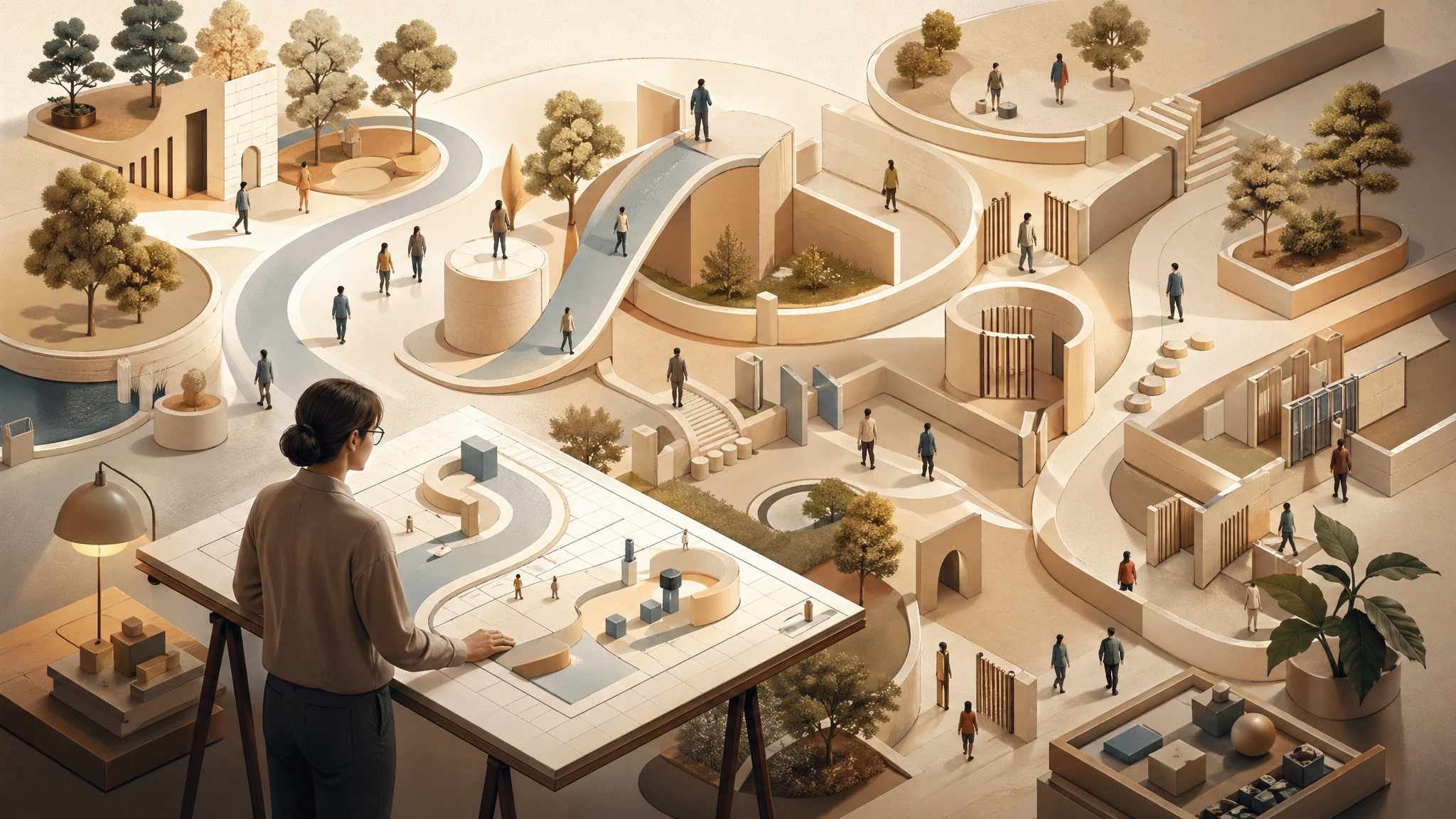
The first minute of a behavior matters disproportionally. If the first minute of exercise means locating clothes, deciding on a workout, clearing space, and overcoming uncertainty, the habit has already become expensive. If the first minute of focused work means finding the right file, choosing the task, and reconstructing context, distraction will often feel easier than progress.
This is why practical people obsess over setup. They pre-stage the workspace, define the next action, keep tools visible, automate repetitive steps, and reduce unnecessary decisions. They are not being obsessive. They are acting like good architects.
- Make desired actions obvious.
- Reduce setup time.
- Remove avoidable choices at the start line.
- Leave the next step visible to future-you.
Adding productive drag
The same logic works in reverse. If you want less doomscrolling, increase the number of steps required to begin. If you want fewer unnecessary purchases, add a mandatory waiting period. If you want better meetings, require an agenda before the calendar invite goes out. Productive drag is not punishment. It is a guardrail against low-quality defaults.
Organizations need this too. Many bad processes survive because they are socially easy, not because they are useful. Add a little thoughtful friction and shallow habits stop scaling so easily.
- Bad defaults often survive because they are too easy.
- Adding one extra pause can be enough to restore judgment.
- Well-placed friction turns intention into architecture.
Future-ready people become systems designers
A future-ready person does not treat every repeated failure as a moral defect. They ask what the environment is rewarding, punishing, and making automatic. That shift is powerful because it moves self-improvement out of shame and into design.
When you learn to work with friction intentionally, your life becomes less about heroic self-control and more about quietly intelligent setup. Good behavior stops depending on who you manage to be in your weakest moment. It starts depending on what the system makes easy when that moment arrives.
- Audit where friction currently helps or hurts you.
- Reduce drag around the behaviors you want repeated.
- Increase drag around behaviors that thrive on impulse.
Try this
- Pick one behavior you want more of and remove one setup step today.
- Pick one behavior you want less of and add one pause, block, or extra click.
- Judge your environment by what it makes easy, not by what it claims to support.
Resources
A few strong places to go deeper if this idea resonates.