 Future-Ready.net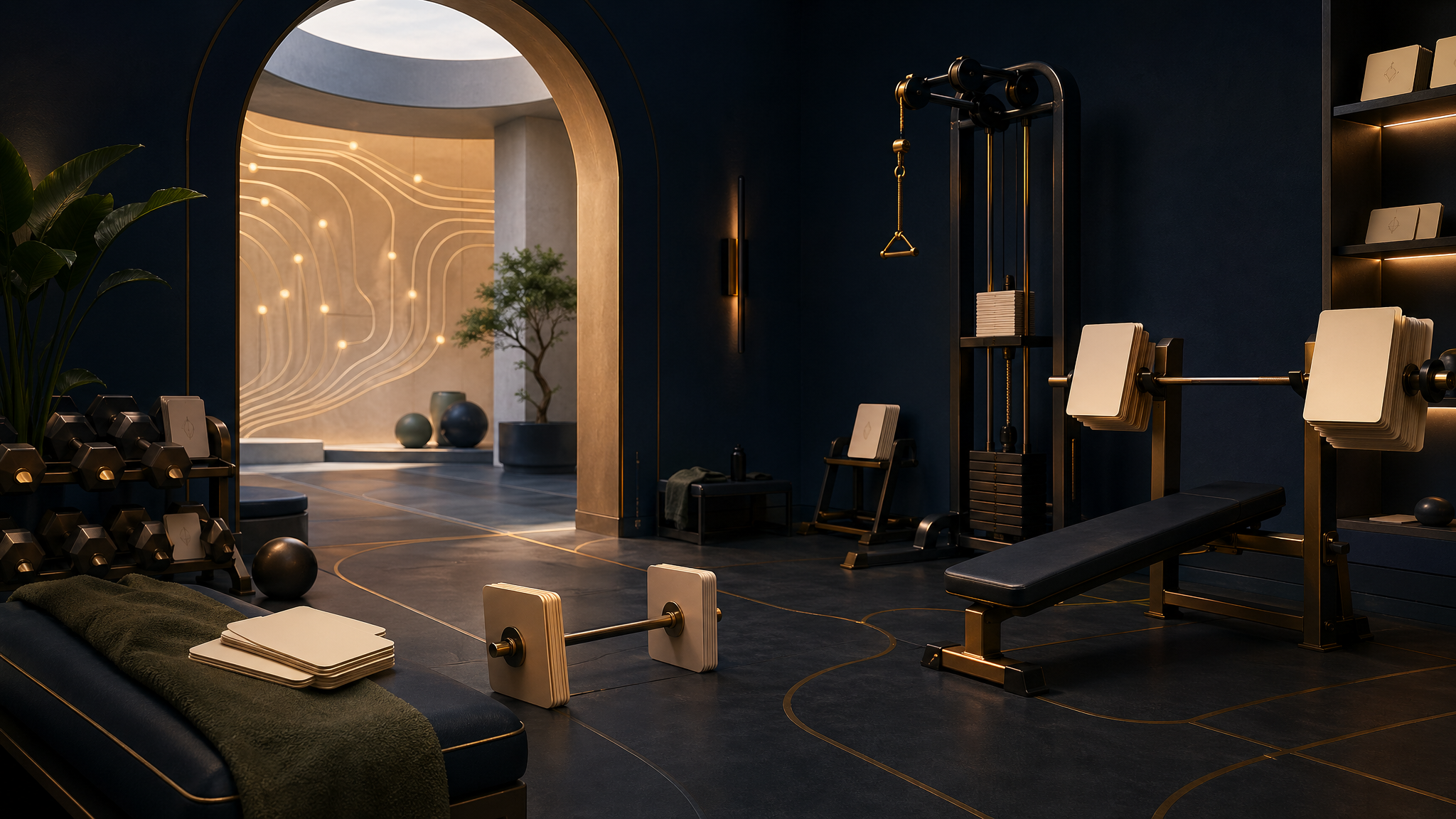
Learning How to Learn
The Retrieval Gym: Train Recall Until It Survives Real Life
20260413T1
Many people study as if recognition were enough. They reread, rewatch, and revisit material until it looks familiar, then assume learning has happened. Familiarity feels reassuring. It is also a poor proxy for whether the knowledge will show up when you actually need it.
Recognition is not recall
Recognizing something on a page is different from retrieving it out of your own head. One is prompted. The other is generated. Real life usually demands the second kind. No one hands you the exact highlighted sentence during a meeting, exam, negotiation, design review, or difficult conversation.
This is why students and professionals alike overestimate what they know. The material feels fluent while the source is present, so they assume it will stay accessible later. Then the cue disappears and the knowledge disappears with it.
- Recognition feels smoother than retrieval.
- Retrieval feels harder because it is doing more work.
- Difficulty during practice often predicts durability later.
Why a gym is the right metaphor
You do not build strength by watching someone else lift. You build it by asking the muscle to produce force. Retrieval works the same way. Every time you force a memory to come forward without looking, you are strengthening the pathways that make future access easier.
The gym metaphor also matters because training should vary. Light reps, heavier reps, timed recall, mixed recall, explanation from memory, recall under slight stress, recall in a new context. These are different training loads for the same underlying capability.
- Flashcards are one form of retrieval, not the only one.
- Explaining an idea from memory is retrieval.
- Solving a problem without notes is retrieval.
- Teaching someone else without peeking is retrieval.
How to train recall under real conditions
A strong retrieval routine gradually removes support. First study the idea. Then close the source and restate it. Then wait and retrieve it later. Then apply it to a new example. Then explain it in plain language. Then use it while distracted, under time pressure, or in a different environment.
This progression matters because memory that only works in the original study conditions is fragile. The goal is not to remember inside the study session. The goal is to remember when the world is noisier than the study session was.
- Close the source sooner than feels comfortable.
- Return later instead of repeating immediately every time.
- Test in contexts that resemble real use.
- Treat forgetting as a training signal, not a personal failure.
Why retrieval is a future-ready advantage
In an age of ambient assistance, retrieval might sound less necessary. Why remember if you can search? Because usable thinking still depends on what is mentally available before the search begins. Retrieval is what allows conversation, improvisation, synthesis, critique, and fast judgment.
External tools extend memory beautifully. But if your internal access is too weak, you become dependent on lookup at exactly the moments when fluid understanding would be more valuable.
- Train what you want to have available under pressure.
- Use external tools to support memory, not replace all of it.
- The best time to discover you cannot recall something is during practice, not during performance.
Try this
- Replace one rereading block with a source-closed recall session.
- Explain one recent idea aloud from memory without checking notes.
- Design practice that resembles the conditions where you will actually need the knowledge.
Resources
A few strong places to go deeper if this idea resonates.